
- Home
- お遍路ブログ|blog, 愛媛県のお寺|ehime
- 結願しました!四十六番札所 浄瑠璃寺(じょうるりじ) ここは衛門三郎の故郷!! #46 Joruriji
ブログ
12.102016
結願しました!四十六番札所 浄瑠璃寺(じょうるりじ) ここは衛門三郎の故郷!! #46 Joruriji
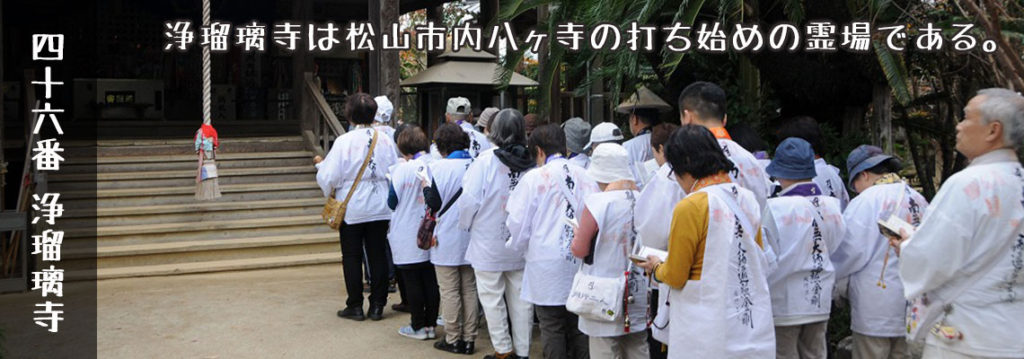
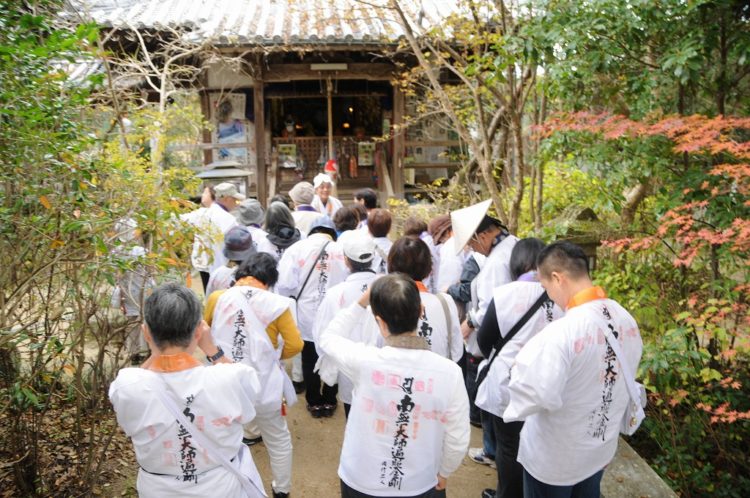
私の結願は1番札所の霊山寺ではなく、ここ四十六番札所浄瑠璃寺です。(順打だと、松山の玄関に当たるお寺)この46番浄瑠璃寺、47番八坂寺の辺りは、今回の丙申の逆打の主人公である衛門三郎のすんでいた故郷です。60年に1回の丙申の逆打まさに結願にふさわしい衛門三郎ゆかりの場所で、このツアーを企画した人はだからこそこの浄瑠璃寺を選んだのでしょうね。素晴らしい!(2016年は逆打ツアーは45番岩屋寺から出発)
この結願の証が衛門三郎の故郷、浄瑠璃寺であることが、泣けるほど嬉しいです!
衛門三郎とは誰??という方は、下記をご参照ください。
My kechigan (completion of the pilgrimage) is not at the first temple, Ryozenji, but here at the 46th temple, Joruriji. (On the standard pilgrimage route, this temple serves as the gateway to Matsuyama.) This 46th temple, Joruriji, along with the 47th temple, Yasakaji, is situated in the hometown of Emon Saburo, the protagonist of the Henro Gyaku-uchi (reverse pilgrimage) of the year of the Fire Monkey (Hinoe-saru). It is said that reverse pilgrimages only happen once every 60 years, making this place deeply meaningful and perfectly suited as the site for kechigan. This tour was likely designed with that significance in mind, which is why they chose Joruriji as the final stop. Incredible! (In 2016, the reverse pilgrimage tours began at the 45th temple, Iwayaji.)
The fact that this kechigan takes place in the hometown of Emon Saburo, at Joruriji, fills me with overwhelming joy—it’s enough to bring tears to my eyes!
For those wondering, “Who is Emon Saburo?” please refer to the details below.

伊予国河野家の一族で、砥部の運動公園からほど近い、文殊院で豪農である衛門三郎という者の物語です。欲が深く、情け容赦なく農民に接する、この男の前に、みすぼらしい僧が現れ、托鉢を行います。八日目、衛門三郎は、怒って僧が捧げていた鉢を竹のほうきでたたき落とし、鉢は8つに割れてしまいます。そして僧も姿を消します。実はこの僧は弘法大師でした。
三郎には8人の子がいましたが、その時から毎年1人ずつ子が亡くなります。8年目には皆亡くなってしまいました。悲しみに打ちひしがれていた三郎の枕元に大師が現れ、三郎はやっと僧が大師であったことに気がつきます、そして自分は何という恐ろしいことをしてしまったものだと後悔するのです。
三郎は懺悔の気持ちから、田畑を売り払い、家人たちに分け与え、妻とも別れ、大師を追い求めて四国巡礼の旅に出ます。二十回巡礼を重ねたが出会えず、大師に何としても巡り合い気持ちから、今度は逆に回ることにしました。ところが、巡礼の途中、阿波国の焼山寺の近くの杖杉庵で病に倒れてしまいます。死期が迫りつつあった三郎の前に大師が現れました。三郎は今までの非を泣いて詫び、「望みはあるか」との問いかけに「来世には河野家に生まれ変わりたい」と託して息を引き取るのです。大師は路傍の石を取り「衛門三郎再来」と書いて、左の手に握らせます。それは、天長8年10月のことです。
翌年、伊予国の領主、河野息利(おきとし)に長男が生れるました。その子は左手を固く握って開こうとしません。息利は心配して安養寺の僧をよび、祈願をします。すると赤ちゃんはやっと手を開き、手の中から「衛門三郎」と書いた石が出てきました。その石は安養寺に納められ、後に「石手寺」と寺号を改めたます。石は玉の石と呼ばれ、寺宝となっているそうです。
僕は衛門三郎を考えるときに、この人は本当は心の底は優しい人だと思うのです。
慈悲深い人、人並み以上の優しさを持った人、そして時代を必死に生きてきた人ではないでしょうか。
弘法大師(774-853)の時代を考えると、松山市でもこの砥部の荏原という場所は重信川を越えて、山裾で田舎に位置する場所であります。そこで豪農といっても、奈良時代の時代背景を考えると、口分田が与えられて、三世一身法、墾田永年私財法などが発せられ、開墾につぐ開墾の時代で必死に働かなければならない時代でありました。毎日が必死だったことでしょう。衛門三郎は、召し抱えた人を養うのも大変でおまけに飢饉や疫病もあり、自分のことだけで精一杯だったでしょう。
誰でも人間は、わがままで、自分の都合で物事を考えてしまうものです。激動の時代、他人のことまで考えられる余裕などあるわけもなく、そんなときに、優しい気持ちはきっと宙ぶらりんになってしまったんでしょうね。
子供達を失い、お大師様に会うためにお遍路の旅に衛門三郎は出ました。金銭つき、みすぼらしい、尿や糞の臭いのついた白衣を着て、今度は自分が托鉢で断れる側に立場が変ります。立場が180度変わると、人間は見える世界が変わるでしょうね。
自分が嫌われ、相手にされない、物乞いでののしられ、誰も泊めてくれない。にぎりめし一つナシ、軒の下にも泊まるな、敷地内に入るなと言われ、臭くて近寄っても欲しくもないと馬鹿にされ、自殺しそうになるくらいさみしくなる。他人事を、自分事とどれだけ考えられるのでしょうか?人間は・・。
孤独だけが人を変えるのですよ。
100軒泊めて下さいと頼んでも、1軒も泊めてくれない。それでも何百軒もまわり、もうダメだと思ったあたりで、優しい人があらわれる時に人生って捨てたモンじゃないと思ったことでしょうね、あなたは心の友がいますか、毎日会うのは仕事の仲間ばかりで大丈夫ですか。(笑)
親友はいますか?親友との出会い、その出会いだけが人生を24色のパレットのように彩ってくれるきがします。
心の折れ線グラフを右上がりに上げてくれます。
人生で親友が一人いたら素晴らしいですよね。寂しいときに、そばにいて、なにもいわずに一緒に泣いてくれるだけでいいんです。
お遍路結願、最初にまわりはじめたときは、本などを読んで、僕のお遍路旅はなにか教科書通りの旅で、知っていた知識の答え合わせをするような旅でした。
時の洗礼を浴びた四国八十八カ所を巡りながら、グレーの海でたるみきっていた人生に「なにをおめおめといきているんだい」と声が聞こえてきました。
旅は、説明不能の能力を持っています。だれでも孤独だ、孤独だと気がついてない人は、目をそらしている。孤独とは、一人で自分に向かい合うことなんだ。
この人生はすなわち夢なのかもしれない。「いずれまた」など口にしないで、今を精一杯背伸びして生きていこうと思います。
お遍路結願、ありがとうございました。感謝。
This is the story of Emon Saburo, a wealthy farmer from the Kono clan of Iyo Province, residing near the Monju-in Temple, close to the Tobe Sports Park. A man consumed by greed and merciless toward farmers, one day a shabby monk appeared before him, seeking alms. On the eighth day, Emon Saburo, enraged, struck the monk’s alms bowl with a bamboo broom, shattering it into eight pieces. The monk then disappeared. That monk, as it turned out, was none other than Kobo Daishi.
Emon Saburo had eight children, but starting from that incident, one child died each year. By the eighth year, all of them were gone. Devastated by grief, Emon was visited in a dream by the Daishi, and only then did he realize who the monk had been. Overcome with regret for his actions, he decided to atone for his sins.
Emon sold his lands, distributed the proceeds among his household, separated from his wife, and set out on a pilgrimage across Shikoku in search of the Daishi. After completing the pilgrimage 20 times without encountering him, Emon decided to reverse the route in his desperation. However, during his journey, he fell ill near Tsue Sugi Hermitage at Shozanji Temple in Awa Province. As death approached, the Daishi appeared before him. Emon wept, repenting for his sins. When asked if he had any final wishes, he expressed his desire to be reborn into the Kono family in his next life. With this, he passed away. The Daishi took a roadside stone, inscribed it with “Emon Saburo Saikai” (Emon Saburo Reborn), and placed it in his left hand. This happened in October of the 8th year of Tencho (831 CE).
The following year, Okitoshi Kono, the lord of Iyo Province, had a son. The baby’s left hand remained clenched, and despite efforts, it would not open. Concerned, Okitoshi summoned a monk from Anyoji Temple to pray for the child. Finally, the baby’s hand opened, revealing a stone with the inscription “Emon Saburo.” The stone was enshrined at Anyoji, which was later renamed Ishiteji Temple. It became a treasured artifact known as the Jewel Stone.
When I think of Emon Saburo, I believe he was, deep down, a kind-hearted man. A man of compassion, with a warmth surpassing that of others, struggling to survive in turbulent times.
In the era of Kobo Daishi (774–853), the location of Ebara in Tobe, Matsuyama, was a rural area beyond the Shigenobu River, at the foot of the mountains. Considering the historical context of the Nara Period, it was a time of intense development—land reclamation laws such as the Sanze-Isshin Law and Konden Eisei Shizai Law required people to work tirelessly to cultivate new lands. Life was a relentless struggle. Emon Saburo must have faced immense difficulty not only in supporting his household but also in dealing with famines and epidemics. He was likely overwhelmed by his own survival.
Humans are inherently selfish and often view things through the lens of their own convenience. In times of upheaval, there is rarely room to think of others. Under such circumstances, any kind feelings likely hung in limbo.
After losing all his children, Emon Saburo embarked on the Henro pilgrimage, seeking to meet the Daishi. Clad in tattered robes stained with urine and feces, he found himself in the position of a beggar, facing rejection. The world must have looked entirely different to him after his circumstances reversed.
Despised, ignored, scorned as a beggar, and ridiculed for his foul appearance, he likely felt profound loneliness, to the point of contemplating suicide. How much could he reflect on the suffering of others as his own? That’s what it means to be human.
Loneliness changes people.
Even if a hundred households refuse to shelter you, the moment someone kind appears after hundreds of attempts, you realize that life isn’t so bad after all. Do you have a true friend? Are you okay seeing only your coworkers every day? (laughs)
Do you have a best friend? Meeting a true friend can add colors to your life, like a palette of 24 vibrant shades.
A true friend can lift the downward trajectory of your emotional graph upward.
Having just one best friend in life is a blessing. When you feel lonely, just having someone sit by your side and cry with you, without saying a word, is enough.
When I first started the Henro pilgrimage, it felt like a textbook journey, checking answers against what I had read in books. But as I traveled through the 88 sacred sites of Shikoku, weathered by time, a voice seemed to echo from the gray sea of my life: “Why are you living so complacently?”
Travel has an inexplicable power. Those who don’t realize their loneliness are simply averting their eyes. Loneliness means facing yourself, alone.
This life may very well be a dream. Let’s not say “someday again,” but instead, live each moment to the fullest, standing on tiptoes.
Thank you for this Henro pilgrimage completion. I am deeply grateful.
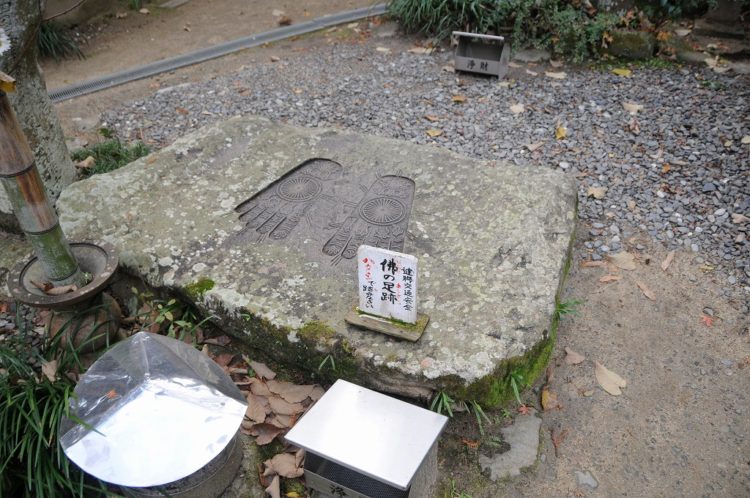
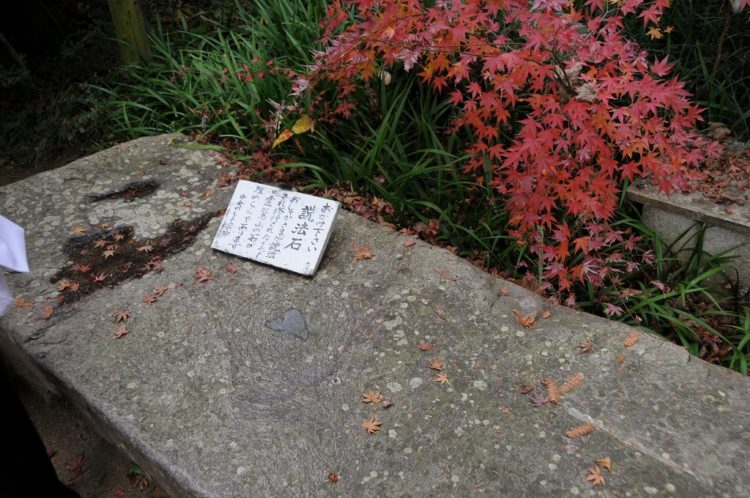

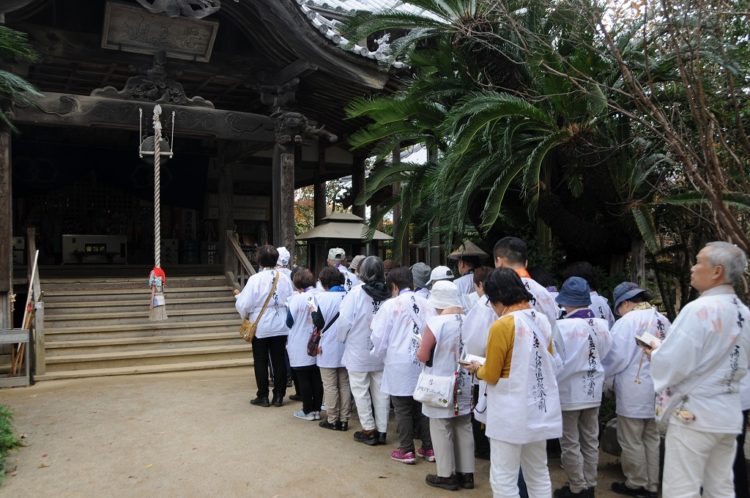

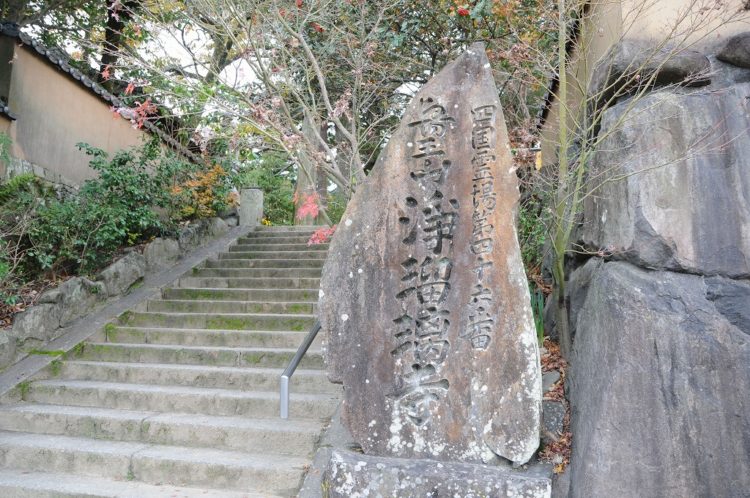



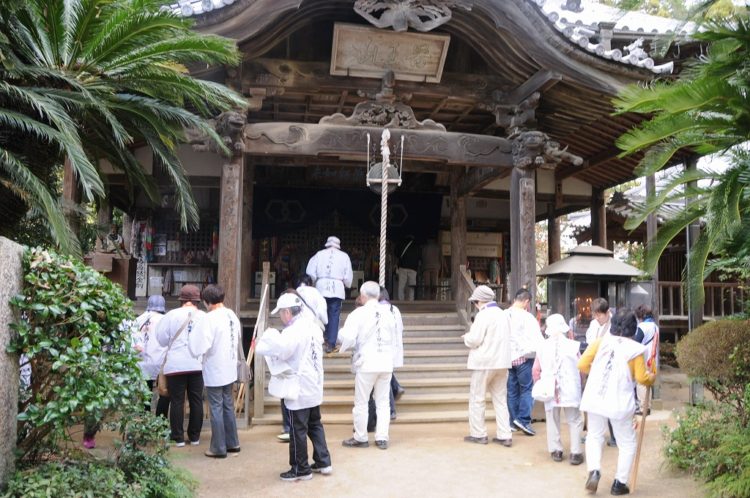
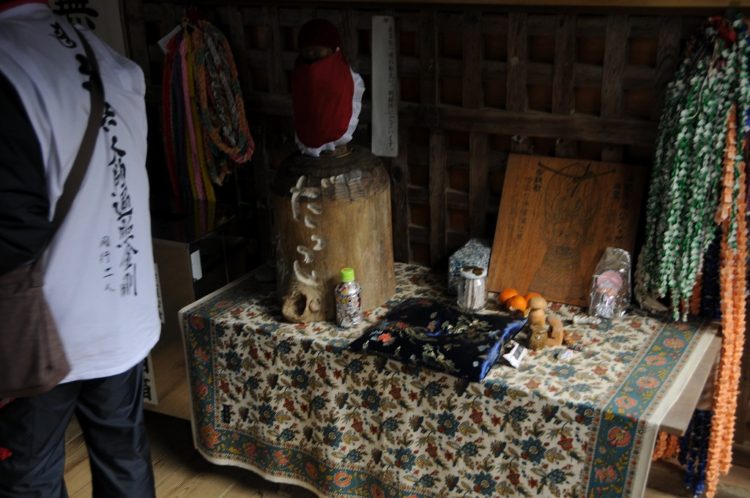

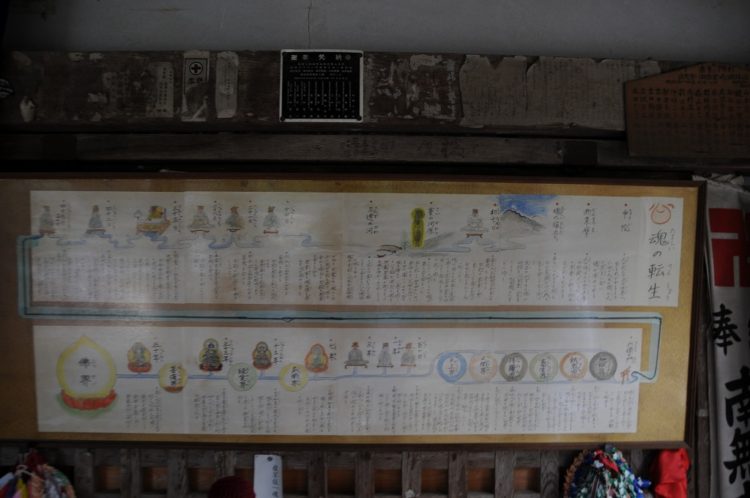
浄瑠璃寺は松山市内八ヶ寺の打ち始めの霊場である。参道入口の石段左に「永き日や衛門三郎浄るり寺」と彫られた正岡子規の句碑があり、お遍路を迎えてくれる。このあたりは遍路の元祖といわれる右衛門三郎のふる里として知られる。
縁起を辿ってみると、行基菩薩が奈良の大仏開眼に先だち、和銅元年に布教のためにこの地を訪れ、仏法を修行する適地として伽藍を建立した。白檀の木で薬師如来像を彫って本尊とし、脇侍に日光・月光菩薩と、眷属として十二神将を彫造して安置した。寺名は薬師如来がおられる瑠璃光浄土から「浄瑠璃寺」とし、山号もまた医王如来に因んだ。約百年後の大同2年(807)、唐から帰朝した弘法大師がこの寺にとどまり、荒廃していた伽藍を修復し、四国霊場の一寺とした。室町時代の末期に足利幕府の武将、平岡道倚が病に苦しみ、本尊に祈願したところ、ご利益で全快したのに感激し、寺塔を再興して厚く帰依した。
江戸時代の正徳5年(1715)に山火事で本尊と脇侍をのぞいてほとんどの寺宝、伽藍を焼失したが、70年後の天明5年(1785)、地元の庄屋から住職になった僧・堯音が復興に尽力した。堯音は、托鉢をしながら全国を行脚してその浄財で現在の本堂その他の諸堂を再興している。また、社会事業家としても知られ、岩屋寺から松山市にいたる土佐街道に、苦難の末に8つの橋を架けている。
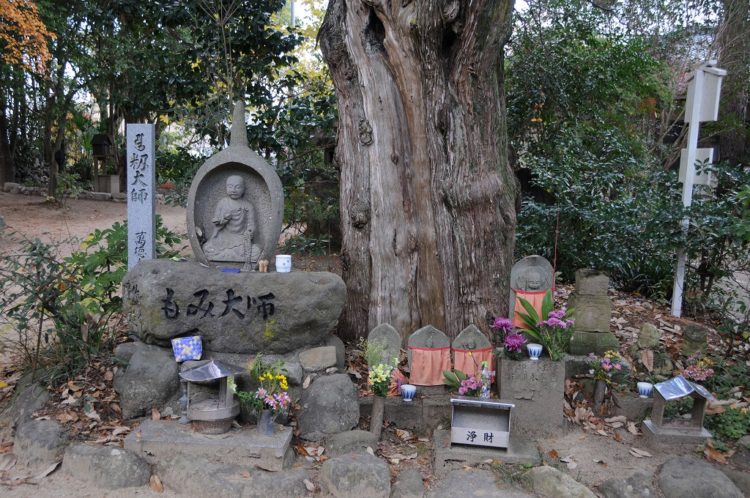
境内の樹齢1,000年を超す大樹イブキビャクシン(市天然記念物)が、信仰を得ている。Joruriji Temple is the first of the eight sacred temples within Matsuyama City on the Shikoku pilgrimage. At the stone steps marking the entrance to the temple path, visitors are welcomed by a haiku inscribed on a stone monument, written by Masaoka Shiki:
“Nagaki hi ya, Emon Saburo, Joruriji”
(“On this long day, Emon Saburo, Joruriji”). This area is known as the hometown of Emon Saburo, regarded as the originator of the Henro pilgrimage.Tracing its history, it is said that in the first year of the Wado era (708), Gyoki Bosatsu visited this land for missionary work prior to the consecration of the Great Buddha in Nara. Recognizing it as a suitable location for Buddhist practice, he established the temple complex. He carved a statue of Yakushi Nyorai (Medicine Buddha) from sandalwood as the principal image, along with the attendant figures of Nikko (Sunlight) and Gakko (Moonlight) Bodhisattvas, and the Twelve Divine Generals as their retinue. The temple was named “Joruriji” after the Pure Land of Lapis Lazuli Light, where Yakushi Nyorai resides, and its mountain name also derives from the Medicine Buddha.
Approximately 100 years later, in the second year of the Daido era (807), Kobo Daishi returned from China and stayed at this temple. Seeing that it had fallen into disrepair, he restored the temple buildings and designated it as one of the Shikoku pilgrimage temples. During the late Muromachi period, Hiraoka Michii, a military commander of the Ashikaga shogunate, suffered from illness. After praying to the temple’s principal deity and fully recovering, he was so moved by the experience that he rebuilt and strongly supported the temple.
In the fifth year of the Shotoku era (1715), a fire destroyed most of the temple’s treasures and buildings, except for the principal deity and its attendants. Seventy years later, in the fifth year of the Tenmei era (1785), a monk named Gyoon, who had become the chief priest from being a local village headman, dedicated himself to the temple’s restoration. Gyoon traveled the country collecting alms to fund the reconstruction of the main hall and other temple buildings. He is also remembered as a social reformer, building eight bridges along the Tosa Road between Iwayaji Temple and Matsuyama City after overcoming great hardship.
Within the temple grounds stands a monumental 1,000-year-old Ibuki Byakushin (Juniperus chinensis var. sargentii), designated as a natural monument of the city, which remains an object of deep faith.
第46番札所 医王山 養珠院 浄瑠璃寺
いおうざん ようじゅいん じょうるりじ
宗 派: 真言宗豊山派
本 尊: 薬師如来
開 基: 行基菩薩
創 建: 和銅元年(708)
真 言: おん ころころ せんだり まとうぎ そわか
住 所: 〒791-1133 愛媛県松山市浄瑠璃町282
電 話: 089-963-0279
駐車場: 普通10台・用事済み次第・無料
宿 坊: なし
この記事を書いた人 Author Profile

- ライター
- こんにちは、四国愛媛在住でITの会社を生業としています。元旅行マンなので世界遺産に登録候補になっている四国八十八カ所を廻ることとしました。いつか時間ができたら歩き遍路も挑戦予定ですが、今回はバスツアーで廻ります。笑顔をお届けできたらうれしいです。(^o^)
最新記事 Latest entries
関連記事
-

2015.12.14
八十六番札所 志度寺(しどじ) 見事な本堂と五重塔・・ #86 Shidoji
-

-

-

2015.12.25
「空海の風景」 司馬遼太郎 読者がWHY?を連発する符号を埋め込んでいるようだ


instagramやってます
